

What Buyers Should Know About Nicotine Market Volatility and Procurement Timing
Nicotine market volatility is an important consideration for businesses involved in raw-material sourcing, manufacturing, distribution, and international trade. Changes in input costs, supplier availability, freight charges, currency exchange rates, and regulatory requirements can influence purchasing decisions and delivery schedules.
For B2B buyers, the challenge is not simply finding the lowest quotation. It is determining when to purchase, how much inventory to maintain, and how to evaluate suppliers while market conditions remain uncertain.
Why Does Nicotine Market Volatility Matter?
Market volatility refers to changes in prices and market conditions over time. In nicotine-related supply chains, procurement conditions may differ according to the product grade, manufacturing process, origin, destination market, order size, and applicable compliance requirements.
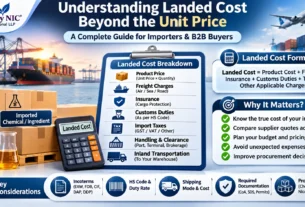
Buyers should distinguish between changes in nicotine prices and changes in the total landed cost. Even if a supplier’s quoted price remains unchanged, freight, insurance, currency movements, customs charges, or documentation requirements may affect the final purchasing cost.
Commodity-market research published by the World Bank highlights how energy prices and geopolitical supply shocks can influence production costs and international trade. These broader developments provide useful context for procurement planning, although they do not establish a specific price trend for every nicotine product.
Key Factors That Can Influence Nicotine Procurement Costs
1. Raw-Material Availability and Supplier Capacity
Supply availability can influence quotation validity, production schedules, and delivery commitments. Buyers should ask suppliers to confirm whether the quoted quantity is available from existing inventory or depends on future production.
For recurring requirements, reviewing supplier capacity and historical delivery performance can help procurement teams identify potential supply constraints before placing an order.
2. Freight, Shipping, and Logistics
International shipping costs, route disruptions, transit times, insurance, and port delays can affect the total cost of imported raw materials.
Buyers comparing quotations should use consistent delivery terms and clarify whether freight, insurance, duties, and other charges are included. They should also confirm estimated dispatch and arrival dates rather than relying only on a quoted unit price.
3. Currency Exchange Rates
Exchange-rate movements may change the effective cost of imports when the supplier’s quotation and the buyer’s operating currency differ.
Procurement teams can reduce uncertainty by confirming the quotation currency, payment schedule, quotation validity, and applicable banking charges before finalising an order.
4. Quality Specifications and Compliance Requirements
Different product grades and specifications should not be treated as directly interchangeable. Purity or assay requirements, impurity limits, batch documentation, packaging, and intended applications can influence supplier selection and purchasing costs.
Buyers should review the relevant Certificate of Analysis (CoA), product specifications, safety documentation, and traceability information. They should also verify current import, transport, and product-specific regulatory requirements in the destination market.
When Is the Right Time to Procure Nicotine?
There is no single procurement date that works for every business. The appropriate timing depends on confirmed demand, inventory levels, supplier lead times, available working capital, storage requirements, and the risks associated with delayed deliveries.
Businesses can consider the following approaches:
Plan Purchases Around Actual Demand
Use production schedules, confirmed customer orders, and historical consumption to estimate material requirements. Avoid making purchasing decisions solely on the expectation that prices will rise or fall.
Monitor Quotation Validity
Ask suppliers how long a quotation remains valid and whether prices can change before order confirmation. A written quotation with clear commercial terms makes it easier to compare offers and establish purchasing budgets.
Evaluate Staggered Procurement
Where commercially and operationally appropriate, businesses may consider dividing purchases into planned quantities rather than committing their entire forecasted requirement at once. This approach can reduce dependence on a single purchasing date, although it may increase transaction or freight costs.
Establish Reorder Points
A reorder point should reflect expected consumption during supplier lead time, an appropriate safety-stock policy, and the business’s tolerance for supply interruptions. Inventory levels must also account for material-specific storage, handling, and shelf-life requirements where applicable.
How Can Buyers Compare Supplier Quotations Effectively?
A useful procurement comparison should cover more than the quoted price per unit. Buyers should evaluate:
- Product grade and agreed technical specifications.
- Minimum order quantity and available supply volume.
- Quotation validity and payment terms.
- Production lead time and estimated dispatch date.
- Delivery terms, freight, insurance, and other applicable charges.
- CoA availability, batch traceability, and supporting documentation.
- Relevant export and destination-market compliance requirements.
- Supplier communication and documented delivery performance.
A consistent comparison helps purchasing teams assess the balance between price, quality, delivery reliability, and overall procurement risk.
What Should B2B Buyers Do Before Confirming an Order?
Before confirming a purchase, buyers should prepare a clear procurement checklist. The checklist should identify the required specification, quantity, delivery destination, expected schedule, documentation requirements, and the internal approval process.
They should also confirm that the supplier can meet the requested specification and that the product can legally be supplied, transported, and imported for the intended application. Any unresolved technical or regulatory questions should be addressed before shipment arrangements are finalised.
For businesses reviewing their wider sourcing processes, supply-chain resilience and supplier qualification are closely related to procurement timing. A structured sourcing process can help buyers prepare for uncertainty without relying on speculative price forecasts.


1 thought on “What Buyers Should Know About Nicotine Market Volatility and Procurement Timing”